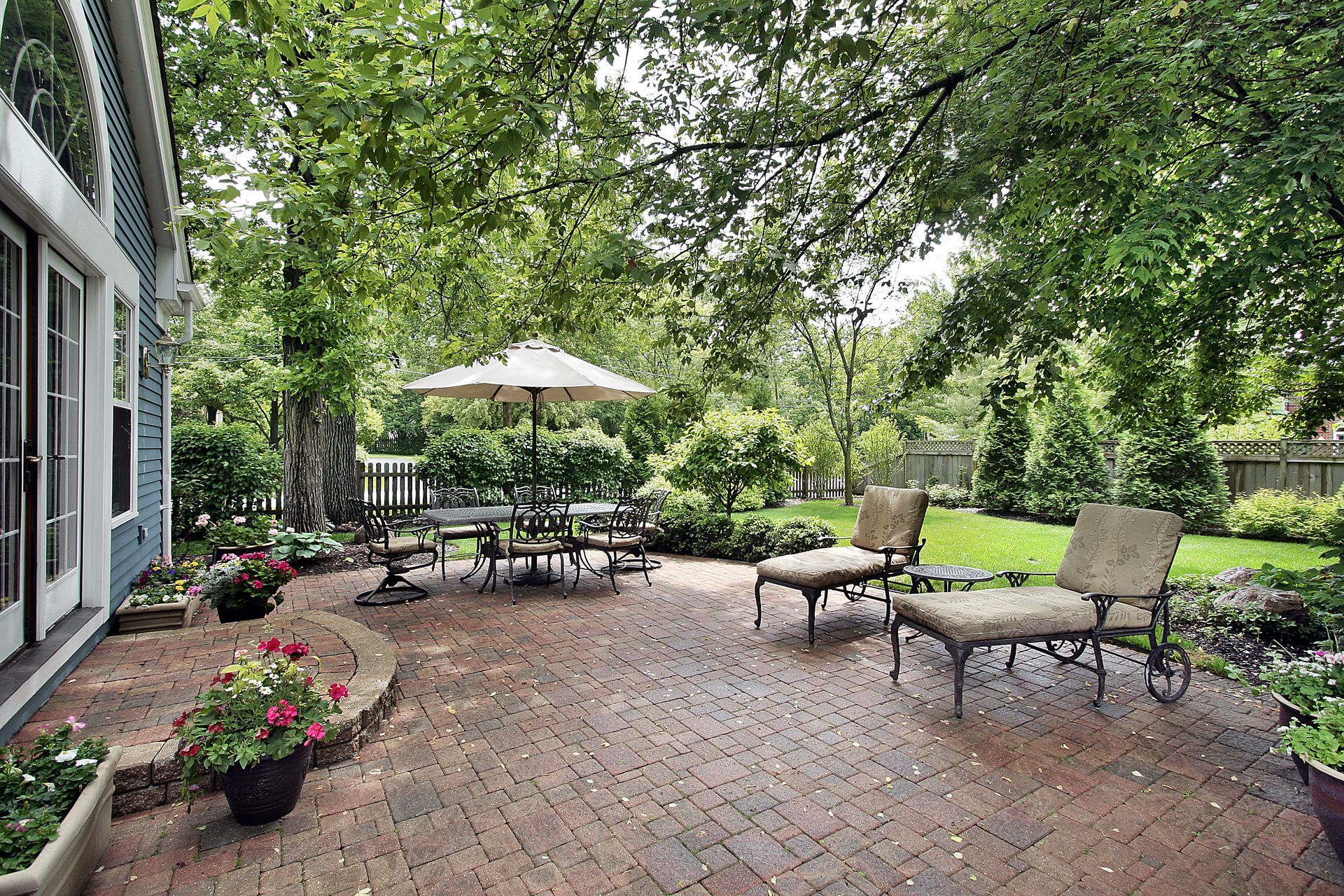
A backyard can be much more than an open patch of grass. With thoughtful planning, it can become an inviting extension of the home where people gather, dine, relax, entertain, and enjoy the outdoors throughout the year. While plants and lawns contribute softness and natural beauty, structural elements provide the organization that makes an outdoor area more functional. Patios, walkways, retaining walls, fire features, seating areas, and similar improvements can define how the space is used and create a more polished appearance. By incorporating hardscaping into a backyard design, homeowners can improve usability, reduce certain maintenance demands, and create an outdoor environment that better suits their lifestyle.
Creating Defined Outdoor Living Areas
One of the most effective ways to transform a backyard is to divide it into purposeful areas. An open yard may feel unfinished when there is no clear distinction between spaces for dining, relaxing, playing, or entertaining. A patio can establish a central gathering area, while pathways can connect that space to a garden, pool, shed, or side entrance. Low walls, changes in paving materials, and built-in seating can further separate different zones without making the yard feel closed off.
Defined areas can also make a backyard easier to furnish and use. Instead of placing tables, chairs, grills, and other items directly on grass or uneven soil, homeowners can create stable surfaces designed for particular activities. Thoughtful hardscaping helps organize these features so they feel intentional rather than scattered. When the layout reflects how the household actually uses the yard, the outdoor space can become more comfortable, practical, and inviting for both everyday use and special gatherings.
Improving Backyard Accessibility and Flow
Paths and walkways can change how people move through a yard. Without designated routes, family members and guests may create worn areas in the lawn or have difficulty navigating muddy, sloped, or uneven ground. Paved walkways offer a more predictable surface and can guide people naturally from one part of the property to another. They can connect the house to a patio, garden, pool, gate, or outdoor structure while contributing to the overall design.
Good circulation becomes especially important in larger or more complex backyards. A carefully planned route can help prevent people from cutting through planting beds or crossing areas where water tends to collect. Changes in material, width, or direction can also create visual interest and make the journey through the landscape feel more deliberate. When accessibility and movement are considered from the beginning, the entire yard can feel more cohesive and easier to navigate.
Expanding Space for Outdoor Entertainment
Outdoor entertaining often becomes easier when there is a stable, comfortable area designed to accommodate people and furniture. A patio or paved terrace can create room for dining sets, lounge seating, grills, outdoor kitchens, and other features that might be difficult to use on grass. The size and layout can be customized to the number of people the homeowner typically hosts and the types of activities they enjoy, from quiet family dinners to larger social gatherings.
Hardscaping can also provide opportunities to incorporate features such as fire pits, seat walls, pergola foundations, and cooking areas into a unified plan. These additions help turn an ordinary yard into a destination rather than simply an area viewed from inside the home. By providing surfaces and structures that support entertainment, the backyard can become a more useful extension of indoor living space during suitable weather.
Managing Slopes and Drainage Challenges
Uneven terrain can make parts of a backyard difficult to use. Steep slopes may be hard to mow, furnish, or walk across, while low areas can collect water after heavy rain. Retaining walls and terraced sections can help reshape challenging portions of the property into more manageable spaces. Creating level areas may provide additional room for patios, gardens, seating, or play spaces that would otherwise be impractical on a slope.
Drainage should be considered carefully whenever permanent outdoor features are added. Water needs a safe path away from the home and other structures, and improperly planned surfaces can sometimes redirect runoff in undesirable ways. Well-designed hardscaping can work with grading, drains, permeable materials, and other landscape features to manage water more effectively. Addressing these concerns during the design stage can help protect both the new improvements and surrounding portions of the property.
Reducing Routine Yard Maintenance
Many homeowners want an attractive backyard without spending every weekend mowing, trimming, watering, and maintaining large planted areas. Replacing selected sections of lawn with patios, walkways, gravel zones, or other durable surfaces can reduce the amount of vegetation that requires ongoing care. This does not mean eliminating plants entirely. Instead, structural features can create a framework that allows lawns, trees, shrubs, and flower beds to be concentrated where they will have the greatest visual effect.
A balanced design can make routine maintenance more manageable while still preserving the natural appeal of the landscape. According to LawnStarter, thoughtfully designed hardscaping can boost a home’s value by as much as 15%. Beyond potential property value, durable outdoor features can also help homeowners spend more time enjoying the backyard instead of maintaining it. Material selection remains important because every surface will have its own cleaning, sealing, repair, or upkeep requirements over time.
Adding Visual Interest and Character
Structural landscape features can have a major influence on the style of a backyard. Pavers, natural stone, brick, concrete, gravel, and other materials offer different colors, textures, patterns, and finishes. Homeowners can select materials that complement the architecture and exterior finishes of the house, helping the backyard feel connected to the rest of the property. Curved pathways may create a relaxed appearance, while clean lines and geometric patios can support a more contemporary look.
Hardscaping can also serve as a backdrop for plants and decorative features. A stone retaining wall can highlight colorful flowers, while a paved walkway can lead attention toward a fountain, sculpture, garden, or seating area. Combining permanent structures with seasonal plants allows the yard to maintain visual interest even when certain flowers are not blooming. This blend of materials can add depth and create a backyard that feels intentionally designed rather than assembled one feature at a time.
Increasing Long-Term Backyard Functionality
A successful backyard design should work not only for current needs but also for the way those needs may change over time. Families may want space for children when they are young, additional seating as entertaining becomes more common, or easier-to-maintain areas later on. Thoughtful planning can create flexible spaces that accommodate different uses without requiring the entire yard to be redesigned whenever priorities change.
Durable structural improvements can provide a long-term foundation for those changes. A patio may initially hold play equipment and later become an outdoor dining area, while a wide walkway may eventually connect to a new garden or accessory structure. Quality hardscaping gives homeowners a stable framework that can be adapted with furniture, landscaping, lighting, and other features as their preferences evolve. Planning with flexibility in mind can help the backyard remain useful and appealing for many years.
A well-designed backyard combines beauty with practical features that make the space easier and more enjoyable to use. Defined living areas, accessible walkways, entertainment spaces, improved grading, lower-maintenance surfaces, visual character, and flexible layouts can all contribute to a more functional outdoor environment. The best results come from considering how each element relates to the home, landscape, drainage, and the way the household plans to use the property. With carefully planned hardscaping, an ordinary backyard can become a comfortable and attractive extension of the home. To explore ways to transform your outdoor space, contact Exterior Expressions Landscaping.